Why Sleep Matters: The Cornerstone of Health
In the bustling city of Bridgeport, Connecticut, where Vitality Hub operates, we understand the pressures of a fast-paced life. However, amidst the hustle and bustle, it's crucial to remember the foundational role of sleep in maintaining optimal health. Sleep isn't just a period of inactivity; it's a vital process during which your body and mind repair, rejuvenate, and prepare for the challenges ahead. Chronic sleep deprivation can lead to a multitude of health problems, including weakened immunity, increased risk of chronic diseases, impaired cognitive function, and mood disturbances. At Vitality Hub, we emphasize that prioritizing sleep is not a luxury but a necessity for a healthy and fulfilling life.
Understanding Sleep Cycles and Circadian Rhythms
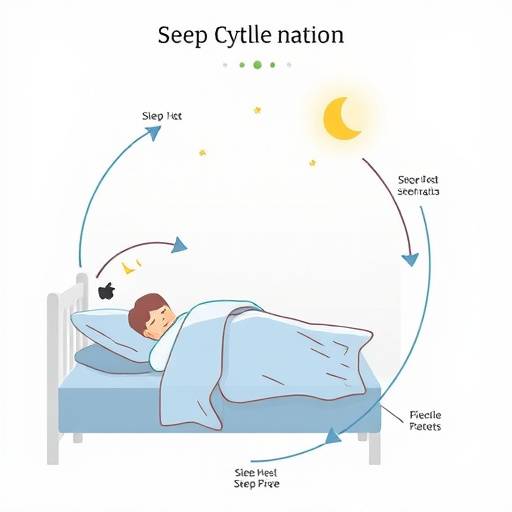
To truly appreciate the importance of sleep, it's essential to understand the underlying mechanisms that govern it. Sleep occurs in cycles, each lasting approximately 90 minutes, comprising different stages of sleep: NREM (Non-Rapid Eye Movement) stages 1-3 and REM (Rapid Eye Movement) sleep. These stages play distinct roles in physical and cognitive restoration. Our circadian rhythm, often referred to as our internal clock, is a 24-hour cycle that regulates sleep-wake patterns, hormone release, and other bodily functions. Disruptions to this natural rhythm, such as through shift work or irregular sleep schedules, can have significant consequences on health and well-being. Properly understanding these cycles can lead to a more efficient sleep schedule.
The Consequences of Sleep Deprivation
The ramifications of insufficient sleep extend far beyond mere tiredness. Consistent sleep deprivation can significantly impact various aspects of your health. For example, research conducted at Bridgeport Hospital has linked chronic sleep loss to an increased risk of cardiovascular diseases, such as hypertension and stroke. Furthermore, lack of sleep can impair glucose metabolism, increasing the likelihood of developing type 2 diabetes. On a cognitive level, sleep deprivation hinders concentration, memory consolidation, and decision-making abilities. Mood swings, irritability, and an elevated risk of depression and anxiety are also common consequences. Here at Vitality Hub, we want to emphasize the critical need to manage your sleep schedule.
Strategies for Improving Your Sleep Quality
Fortunately, there are numerous strategies you can implement to improve your sleep quality and establish healthier sleep habits. Here are some evidence-based recommendations from our wellness experts at Vitality Hub:
- Establish a Consistent Sleep Schedule: Go to bed and wake up at the same time every day, even on weekends, to regulate your circadian rhythm.
- Create a Relaxing Bedtime Routine: Engage in calming activities before bed, such as reading a book, taking a warm bath, or listening to soothing music. Avoid stimulating activities like watching TV or using electronic devices.
- Optimize Your Sleep Environment: Ensure your bedroom is dark, quiet, and cool. Consider using blackout curtains, earplugs, or a white noise machine to minimize distractions.
- Limit Exposure to Screens Before Bed: The blue light emitted from electronic devices can interfere with melatonin production, a hormone that regulates sleep. Avoid using screens for at least an hour before bedtime.
- Watch Your Diet and Beverages: Avoid caffeine and alcohol close to bedtime, as they can disrupt sleep patterns. A light, healthy snack before bed, such as a handful of almonds or a cup of chamomile tea, can promote relaxation.
- Regular Exercise: Engage in regular physical activity, but avoid intense workouts close to bedtime. Exercise can improve sleep quality by reducing stress and promoting relaxation.
- Sunlight Exposure: Get natural sunlight exposure during the day, especially in the morning, to help regulate your circadian rhythm.

Sleep Hygiene: The Foundation of Restful Sleep
Sleep hygiene refers to a set of practices and habits that promote consistent and restful sleep. Implementing good sleep hygiene is crucial for improving sleep quality and preventing sleep problems. Here are some key aspects of sleep hygiene:
- Maintain a regular sleep-wake schedule: This helps to regulate your body's natural sleep-wake cycle.
- Create a relaxing bedtime routine: Activities such as reading, taking a warm bath, or practicing meditation can help you wind down before bed.
- Optimize your sleep environment: Make sure your bedroom is dark, quiet, and cool.
- Avoid caffeine and alcohol before bed: These substances can interfere with sleep.
- Get regular exercise: Physical activity can improve sleep quality, but avoid exercising too close to bedtime.
- Limit daytime napping: Napping can disrupt your sleep schedule, especially if you have trouble falling asleep at night.
Common Sleep Disorders: Identification and Management
If you consistently struggle to fall asleep, stay asleep, or feel excessively tired during the day, you may have a sleep disorder. Some common sleep disorders include:
- Insomnia: Difficulty falling asleep or staying asleep.
- Sleep Apnea: Pauses in breathing during sleep, leading to disrupted sleep and daytime sleepiness.
- Restless Legs Syndrome: An irresistible urge to move the legs, often accompanied by uncomfortable sensations.
- Narcolepsy: Excessive daytime sleepiness and sudden, uncontrollable episodes of falling asleep.

If you suspect you have a sleep disorder, it's crucial to seek professional help from a healthcare provider or a sleep specialist. They can diagnose your condition and recommend appropriate treatment options, which may include lifestyle modifications, therapy, or medication.
The Role of Nutrition in Promoting Sleep
Nutrition plays a significant role in sleep quality. Certain foods and nutrients can promote relaxation and improve sleep, while others can disrupt it. Incorporating sleep-promoting foods into your diet and avoiding those that interfere with sleep can significantly enhance your overall sleep experience.
Foods That Promote Sleep
- Tart Cherries: Naturally rich in melatonin, the hormone that regulates sleep.
- Almonds: A good source of magnesium, which promotes muscle relaxation and sleep.
- Walnuts: Contain melatonin, serotonin, and magnesium, all of which contribute to better sleep.
- Chamomile Tea: A soothing herbal tea known for its calming and sleep-inducing properties.
- Kiwi: Rich in antioxidants and serotonin, which may improve sleep onset and duration.
Foods to Avoid Before Bed
- Caffeine: A stimulant that can keep you awake and interfere with sleep.
- Alcohol: Although it may initially induce sleep, it disrupts sleep later in the night.
- Spicy Foods: Can cause heartburn and indigestion, making it difficult to fall asleep.
- High-Fat Foods: Take longer to digest and can disrupt sleep.

Seeking Professional Help
While lifestyle modifications and good sleep hygiene practices can be effective for improving sleep quality, some sleep disorders may require professional intervention. If you experience chronic sleep problems that significantly impact your daily life, it's essential to consult with a healthcare provider or sleep specialist.
At Vitality Hub, Dr. Eleanor Vance, a renowned sleep specialist with over 20 years of experience, offers comprehensive sleep evaluations and personalized treatment plans. Dr. Vance and her team can help you identify the underlying causes of your sleep problems and develop strategies to improve your sleep and overall well-being. You can reach Dr. Vance at [email protected] or call (203) 555-0100 to schedule a consultation at our Bridgeport location.
Conclusion: Prioritizing Sleep for a Healthier Life
Sleep is a fundamental pillar of health and well-being. By understanding the importance of sleep, implementing good sleep hygiene practices, and seeking professional help when needed, you can unlock your potential and live a healthier, more fulfilling life. At Vitality Hub, we are committed to providing you with the resources and guidance you need to prioritize sleep and achieve optimal wellness. Remember to make sleep a priority, not an afterthought, and experience the transformative power of restful nights.